
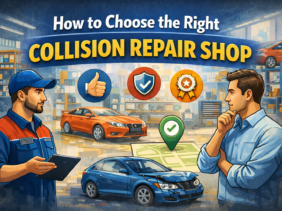
How to Choose the Right Collision Repair Shop: A Consumer's Guide
Choosing a collision repair shop after an accident can feel overwhelming, especially when you're already dealing with the stress of vehicle damage, insurance claims, and disrupted routines. The shop you select will have a significant impact on your repair experience, the quality of the work, and your vehicle's long-term value and safety.
Many vehicle owners don't realize they have the right to choose their own repair facility, even when filing an insurance claim. Understanding what to look for in a quality collision center empowers you to make an informed decision that prioritizes your vehicle's proper repair and your peace of mind.
Why Your Choice of Shop Matters
The collision repair industry includes shops with varying levels of expertise, equipment, and commitment to quality. Choosing the right facility affects not just the appearance of your repaired vehicle, but also its structural integrity, safety systems functionality, and resale value.
A quality repair restores your vehicle to pre-accident condition, ensuring all safety features work properly and structural components meet manufacturer specifications. Poor repairs can compromise crash protection, affect vehicle handling, cause premature part failure, and significantly reduce your vehicle's value.
Taking time to research and select the right shop is an investment in your safety and your vehicle's future.
Certifications and Training Matter
Modern vehicles are increasingly complex, featuring advanced materials, computer systems, and safety technologies that require specialized knowledge and equipment to repair properly. Manufacturer certifications demonstrate that a shop has invested in the training, tools, and facilities necessary to repair specific vehicle brands according to factory specifications.
Major certifications to look for include I-CAR Gold Class recognition, which indicates comprehensive training across multiple repair areas, manufacturer certifications for brands like Tesla, BMW, Mercedes-Benz, or others requiring specialized knowledge, and ASE certifications for technicians, demonstrating competency in specific repair areas.
Shops that invest in ongoing training and certification stay current with evolving vehicle technologies and repair procedures. This commitment to education translates directly to better repairs for your vehicle.
Equipment and Facilities
Proper collision repair requires specialized equipment that goes far beyond basic hand tools. When evaluating shops, look for modern computerized frame measuring and straightening systems that ensure structural repairs meet precise factory specifications, down-draft paint booths with proper ventilation and temperature control for quality finishes, welding equipment appropriate for modern materials including aluminum and high-strength steel, and diagnostic computers to properly test and calibrate advanced safety systems.
The facility itself should be clean, organized, and professional. A well-maintained shop typically reflects the attention to detail the business applies to repair work. Shops that keep their facilities clean and organized tend to produce cleaner, more precise repairs.
Insurance Relationships and Your Rights
Many insurance companies maintain networks of preferred or direct repair program shops. While these partnerships can offer convenience and streamlined claims processing, you are never required to use a preferred shop. Federal and state laws protect your right to choose any licensed repair facility.
Some advantages of preferred shops include guaranteed communication between the shop and insurer, streamlined approval processes for repairs, and often expedited rental car arrangements. However, non-network shops may offer advantages like specialized expertise for your vehicle brand, potentially higher quality parts or materials, more personalized service, or better reputation in your local community.
The most important factor is selecting a shop you trust to perform quality work, regardless of insurance relationships. A reputable shop will work with any insurance company to ensure proper repairs are covered.
Warranty Coverage
A comprehensive warranty demonstrates a shop's confidence in their work quality. When comparing shops, ask about warranty coverage for both workmanship and materials, typical warranty duration (lifetime warranties on workmanship are common at quality shops), what specific repairs and components are covered, whether the warranty is transferable if you sell the vehicle, and whether the warranty is honored at other locations if you move.
Written warranties provide protection and peace of mind. Be cautious of shops that offer limited warranties or vague coverage terms, as this may indicate concerns about work quality.
Parts Quality and Options
Collision repairs often require replacement parts, and the quality of these parts significantly affects your repair outcome and vehicle value. Shops should clearly explain their parts policies and offer options when appropriate.
OEM parts are manufactured by your vehicle's original maker and are identical to factory-installed components. These typically offer the best fit, finish, and warranty coverage. Aftermarket parts are made by third-party manufacturers and vary widely in quality. Premium aftermarket parts can match OEM quality, while economy options may have fit or durability issues. Recycled or used parts from salvage yards can be appropriate for older vehicles where cost is a primary concern.
Quality shops will discuss parts options honestly, explaining the trade-offs between cost and quality. They should also respect your preference if you specify OEM parts, even if aftermarket alternatives are available.
Customer Service and Communication
The repair process can span days or weeks, making clear communication essential. Evaluate shops based on their willingness to answer questions and explain procedures, their responsiveness to phone calls and emails, their process for keeping you updated on repair progress, their handling of unexpected issues or supplemental damage, and their policy on allowing customers to inspect work before final payment.
A shop that communicates proactively helps reduce stress and uncertainty during the repair process. Poor communication often indicates organizational problems that may affect repair quality and timelines.
Reviews and Reputation
Online reviews and local reputation provide valuable insights into a shop's typical customer experience. When researching shops, look for consistent patterns in reviews rather than focusing on isolated complaints. Pay attention to how shops respond to negative reviews, noting whether they address concerns professionally. Consider asking friends, family, or coworkers for recommendations based on their experiences. Check Better Business Bureau ratings and complaint history.
Keep in mind that every shop occasionally encounters difficult situations or unsatisfied customers. The overall pattern of reviews and the shop's responsiveness to concerns are more telling than individual negative experiences.
Tour the Facility
Many quality shops welcome prospective customers to tour their facilities before committing to repairs. A facility visit allows you to assess cleanliness and organization, observe technicians at work and their professionalism, see the equipment and technology in use, and get a feel for the overall operation and culture.
During your visit, trust your instincts. A professional facility with organized processes and respectful, knowledgeable staff typically delivers better results than a chaotic shop with poor customer interaction.
Questions to Ask Before Choosing a Shop
When evaluating collision repair shops, these questions help identify facilities that will provide quality service:
What certifications do your technicians hold? Are you certified to repair my specific vehicle brand? What warranty do you offer on repairs? Will you use OEM or aftermarket parts, and do I have a choice? How long will my repair typically take? Do you handle all insurance communication? Can I see examples of similar repairs you've completed? What is your process if additional damage is discovered? Do you provide rental car assistance? How will you keep me updated during the repair process?
The shop's willingness to answer these questions thoroughly and patiently indicates their commitment to customer service and transparency.
Red Flags to Watch For
Certain warning signs suggest a shop may not provide the quality service your vehicle deserves:
Pressure to choose their shop immediately without time to research alternatives, unwillingness to provide detailed written estimates, refusal to discuss parts options or quality, vague or dismissive answers to your questions, extremely low estimates that seem too good to be true, poor facility maintenance or disorganized operations, inability to provide references or examples of work, no clear warranty or guarantee policy, or negative patterns in reviews regarding quality or customer service.
Trust your instincts. If something feels wrong or if you're uncomfortable with a shop's approach, continue your search. Your vehicle is a significant investment that deserves proper repair.
The 4 Seasons Collision Center Difference
At 4 Seasons Collision Center, we understand that choosing a collision repair shop requires trust. We've built our reputation on quality workmanship, transparent communication, and treating every vehicle as if it were our own.
Our technicians maintain current manufacturer certifications and training, ensuring we can properly repair modern vehicles with advanced materials and safety systems. We invest in state-of-the-art equipment including computerized measuring systems, modern paint technology, and diagnostic tools necessary for complete repairs.
We work with all insurance companies while advocating for proper repairs that fully restore your vehicle. Our team handles the paperwork and communication with adjusters, making the process as stress-free as possible for you.
Most importantly, we stand behind our work with comprehensive warranties and a commitment to customer satisfaction. We keep you informed throughout the repair process and welcome your questions at every stage.
Making Your Decision
Choosing the right collision repair shop doesn't need to be complicated. Focus on finding a facility with proper certifications and equipment, a strong reputation for quality work, clear communication and customer service, comprehensive warranty coverage, and transparency about parts and procedures.
Don't let insurance companies pressure you into a quick decision. You have the right to choose the shop you trust most, and taking time to research your options ensures you'll be satisfied with both the repair process and the final results.
Your vehicle's safety, value, and proper repair depend on the expertise and integrity of the shop you choose. By following these guidelines and asking the right questions, you can confidently select a collision center that will restore your vehicle properly and treat you fairly throughout the process.
If you're looking for a collision repair shop that prioritizes quality, transparency, and customer satisfaction, we invite you to visit 4 Seasons Collision Center. Our team is ready to answer your questions, show you our facility, and explain how we can restore your vehicle to pre-accident condition with the care and expertise it deserves.