What to Do Immediately After a Car Accident: A Step-by-Step Guide
Car accidents happen suddenly and unexpectedly, leaving even experienced drivers feeling shaken and uncertain about what to do next. The actions you take in the minutes and hours following an accident can significantly impact your safety, insurance claim, legal protection, and the overall resolution of the situation.
Having a clear plan of action helps you stay calm and make smart decisions during a stressful time. This comprehensive guide walks you through each essential step to take after an accident, protecting your health, your legal rights, and your financial interests.
Immediate Safety Comes First
The moments immediately following an accident are critical for ensuring everyone’s safety. Before worrying about insurance, documentation, or vehicle damage, focus on protecting yourself and others from additional harm.
If your vehicle is drivable and you’re blocking traffic, carefully move it to the shoulder or a safe location away from moving vehicles. Turn on your hazard lights immediately to alert other drivers. If the vehicle cannot be moved safely, stay inside with your seatbelt fastened until help arrives, especially on busy highways where exiting the vehicle could put you in danger.
Check yourself and any passengers for injuries. Even if you feel fine, remember that adrenaline can mask pain and injury symptoms. Some serious injuries, including internal bleeding, concussions, and soft tissue damage, may not produce immediate obvious symptoms.
Check on Other Involved Parties
Once you’ve ensured your own safety, check on the wellbeing of people in other vehicles involved in the accident. Approach cautiously and ask if anyone is injured or needs medical assistance.
Never admit fault or apologize for the accident, even if you believe you may have been responsible. Simple statements like “I’m sorry” can be interpreted as admission of liability and may complicate your insurance claim later. Instead, focus on ensuring everyone is safe and comfortable while waiting for emergency responders.
If anyone appears injured, has difficulty moving, complains of pain, or seems disoriented, do not attempt to move them. Wait for professional medical personnel who are trained to assess and treat accident injuries safely.
Call 911 When Necessary
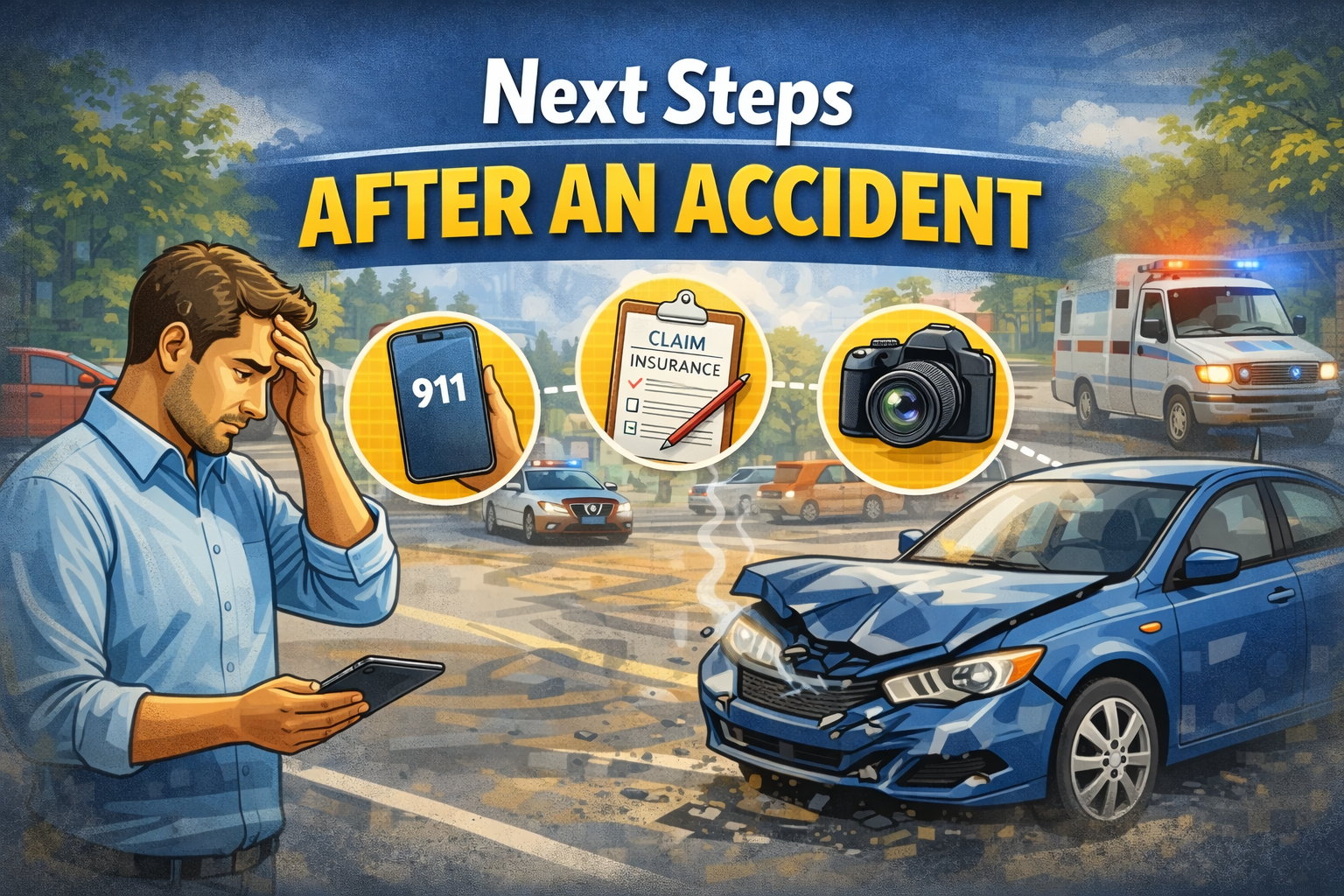
You should always call 911 if anyone is injured or appears to need medical attention, if vehicles are blocking traffic and cannot be moved safely, if the accident involved significant property damage, if the other driver appears impaired or behaves erratically, if the other driver does not have insurance or identification, or if you feel threatened or unsafe for any reason.
When speaking with the 911 operator, provide your exact location, describe the accident and any injuries, mention if traffic is blocked or if there are hazards, and follow any instructions the operator provides.
Even for minor accidents with no injuries, consider calling the non-emergency police line to request an officer respond and create an official accident report. This documentation can be invaluable for insurance claims and provides an objective third-party account of the incident.
Document the Scene Thoroughly
Once safety is ensured and emergency services are contacted if needed, begin documenting the accident scene. Comprehensive documentation protects your interests during the claims process and provides evidence if disputes arise.
Use your smartphone to take extensive photos and videos from multiple angles. Capture overall scene photos showing vehicle positions, traffic signs and signals, road conditions and weather, skid marks or debris, and the surrounding area and landmarks. Take detailed close-up photos of damage to all vehicles involved, license plates of all vehicles, visible injuries, and property damage beyond vehicles.
The more documentation you have, the better protected you’ll be. Take far more photos than you think necessary – you can always delete extras later, but you cannot recreate the scene once you’ve left.
Exchange Information Properly
You’re legally required to exchange certain information with other drivers involved in the accident. Collect full legal names and contact numbers, driver’s license numbers, insurance company names and policy numbers, vehicle registration information, and license plate numbers.
Remain polite but limit your conversation to factual information exchange. Do not discuss who was at fault, apologize, or speculate about what happened. Do not sign anything except official police documents or provide recorded statements at the scene.
If there are witnesses, politely ask for their names and contact information. Witness statements can be crucial if there’s a dispute about how the accident occurred. Note which witnesses saw the actual collision versus those who arrived afterward.
Create Your Own Record
While events are fresh in your mind, write down your own account of what happened. Include the date, time, and exact location of the accident, weather and road conditions, traffic patterns and speed, what you were doing immediately before the accident, the sequence of events during the collision, and anything the other driver said at the scene.
This personal record helps you remember details accurately when filing insurance claims or discussing the accident with your collision repair shop. Memories fade quickly, and having contemporaneous notes ensures accuracy.
Notify Your Insurance Company Promptly
Contact your insurance company as soon as practical after the accident, ideally within 24 hours. Most policies require prompt notification, and delays can complicate your claim or even result in denial of coverage.
When speaking with your insurer, stick to factual information about what happened, where and when the accident occurred, who was involved, what damage resulted, and whether anyone was injured. Provide the documentation you collected but avoid speculating about fault or accepting blame.
Your insurance company will assign a claims adjuster who will guide you through the next steps. Ask about your coverage, including collision repair, rental car provisions, and deductible amounts. Understand your policy benefits before making decisions about repairs.
Seek Medical Evaluation Even Without Obvious Injury
Many accident injuries have delayed symptoms. Whiplash, concussions, internal injuries, and soft tissue damage may not cause immediate pain but can develop into serious conditions. Visit your doctor or an urgent care facility within 24 to 48 hours after any accident, even if you feel fine.
Medical professionals can identify injuries you might not notice and document them properly for insurance purposes. Some injuries that seem minor initially can lead to chronic problems if not treated early. A medical evaluation also creates an official record linking any injuries to the accident, which is essential if you later need to file a claim for medical expenses.
Follow all treatment recommendations and keep detailed records of medical visits, treatments, and expenses. This documentation protects your ability to seek compensation for accident-related medical costs.
Understanding Your Repair Options
After ensuring everyone’s safety and health, your attention turns to repairing your damaged vehicle. Understanding your options and rights helps you make informed decisions about the repair process.
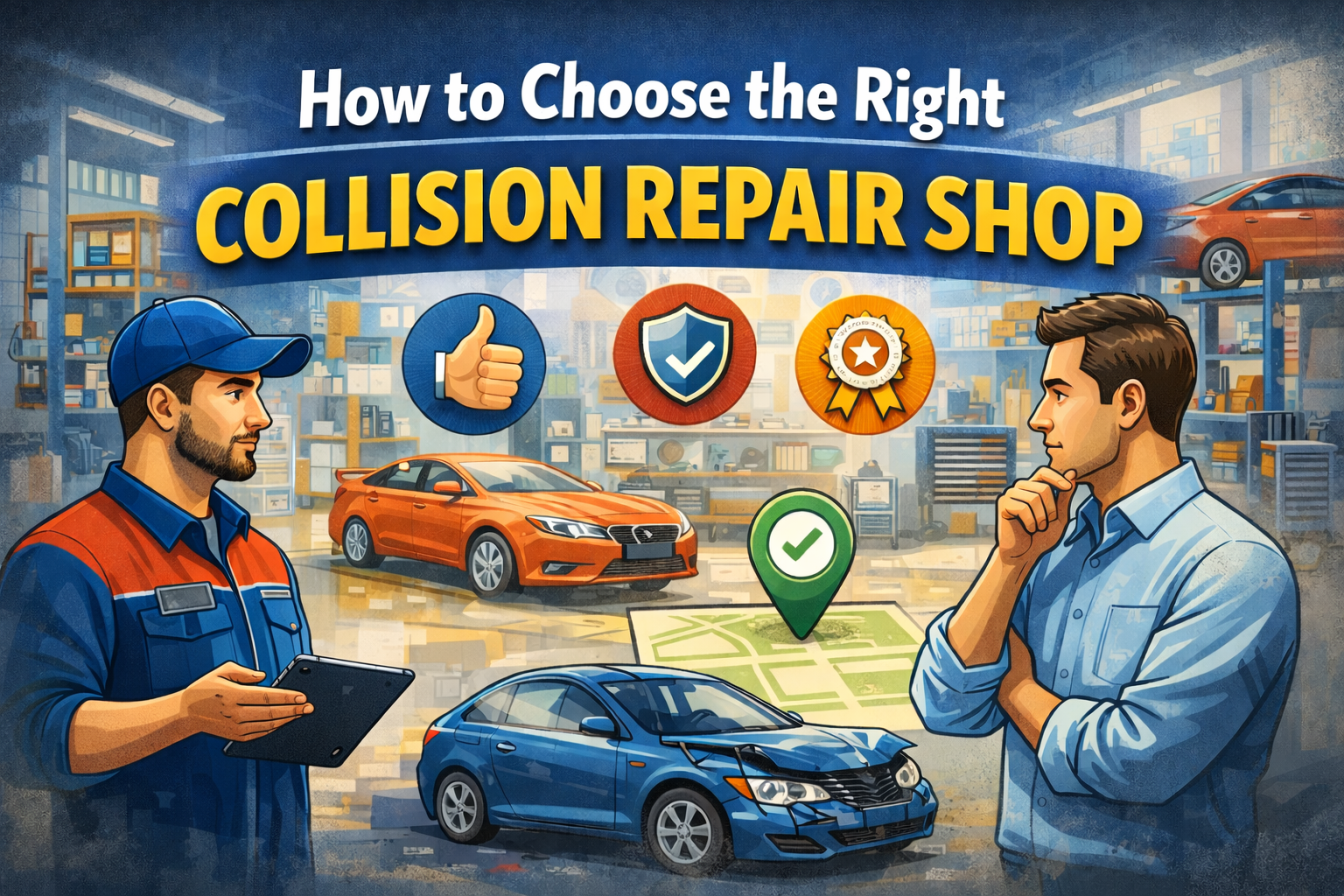
You have the legal right to choose your own collision repair shop, regardless of insurance company preferences. While insurers may recommend preferred shops or direct repair facilities, the ultimate choice is yours. Select a shop based on reputation, certifications, quality of work, and your comfort level with their service.
Research collision repair facilities in your area before the insurance adjuster inspects your vehicle. Having a preferred shop in mind streamlines the process and ensures repairs meet your standards. Look for shops with manufacturer certifications, current training, modern equipment, and strong customer reviews.
Working with Your Insurance Adjuster
Your insurance company will assign an adjuster to inspect your vehicle and prepare a damage estimate. This process typically happens within a few days of your initial claim filing.
The adjuster will photograph the damage, document all affected components, prepare a preliminary repair estimate, and explain your coverage and next steps. Be present during the inspection if possible, pointing out all damage you’ve noticed, including areas that may not be immediately visible.
The initial estimate may not include all necessary repairs. Hidden damage often emerges once the collision center begins disassembly. Supplemental estimates are normal and expected. A quality repair shop will work with your insurance company to ensure all damage is properly documented and covered.
Understanding Totaled Vehicles
If repair costs approach or exceed your vehicle’s value, the insurance company may declare it a total loss. This determination considers the cost to repair the vehicle to pre-accident condition compared to its actual cash value before the accident.
If your vehicle is totaled, the insurer will offer a settlement based on the vehicle’s pre-accident value. You have the right to negotiate this amount if you believe it’s too low. Research comparable vehicle sales in your area to support your case for a higher valuation.
You’ll need to decide whether to accept the settlement and surrender the vehicle to the insurance company or keep the vehicle with a salvage title and reduced settlement. Keeping a salvaged vehicle is rarely advisable, as rebuilt salvage vehicles have significantly reduced resale value and may be difficult to insure in the future.
Rental Car Coverage
If your vehicle requires repairs and you have rental coverage, your insurance company will arrange for a rental vehicle. Understand your coverage limits, including the daily rental allowance, how many days are covered, and what types of vehicles are included.
Rental coverage typically begins once repairs start and continues until your vehicle is ready or your coverage limit is reached. If repairs take longer than your coverage period, you may need to extend the rental at your own expense or arrange alternative transportation.
Some shops provide courtesy vehicles or have partnerships with rental companies. Discuss transportation options with both your insurer and your chosen collision repair shop.
Avoiding Common Post-Accident Mistakes
Certain actions can complicate your recovery process or harm your insurance claim. Avoid these common mistakes:
Never leave the accident scene before exchanging information and ensuring everyone is safe. Leaving the scene of an accident is illegal and can result in serious criminal charges. Do not accept cash settlements or agree to handle the accident privately without involving insurance. This leaves you unprotected if injuries or additional damage emerge later.
Avoid posting about the accident on social media. Insurance companies and attorneys may review your social media accounts, and casual posts can be misinterpreted or used against you. Do not sign blanket medical releases. Only provide medical records directly related to the accident and review any authorization carefully before signing.
Do not accept the first settlement offer without reviewing it carefully. Insurance companies often make initial low offers hoping you’ll accept quickly. Consult with the collision repair shop about whether the estimate covers all necessary repairs.
When to Consult an Attorney
Most minor accidents can be resolved through insurance claims without legal representation. However, certain situations warrant consulting with a personal injury attorney:
Consider legal counsel if you sustained serious injuries requiring extensive medical treatment, if the other driver was uninsured or underinsured, if fault is disputed and you believe you’re being unfairly blamed, if your insurance company is denying your claim or offering inadequate compensation, or if the accident involved a commercial vehicle or government entity.
Many personal injury attorneys offer free initial consultations. Even if you ultimately don’t need representation, a consultation can help you understand your rights and options.
The Collision Repair Process
Once insurance coverage is confirmed and you’ve selected a repair shop, the repair process begins. Understanding what to expect helps you stay informed and ensures quality work.
Quality collision centers follow a structured process that includes detailed damage assessment and disassembly to identify all issues, ordering necessary parts, structural repairs using computerized measuring systems, body work and panel replacement, paint preparation and application with color matching, reassembly and system testing, and final quality inspection and detailing.
The timeline varies based on damage extent, parts availability, and shop workload. Minor repairs may take just a few days, while extensive damage could require several weeks. A reputable shop will provide regular updates on progress and notify you immediately if complications arise.
Inspecting Your Repaired Vehicle
Before accepting your repaired vehicle, conduct a thorough inspection. Walk around the vehicle in good lighting, checking that all repaired panels align properly, paint matches surrounding areas without visible color differences, all replaced parts fit correctly, doors, trunk, and hood open and close smoothly, and lights, signals, and electronics function properly.
Test drive the vehicle before leaving the shop, listening for unusual noises and ensuring it handles normally. If anything seems wrong or doesn’t meet your expectations, address it immediately with the shop before signing final paperwork.
Quality shops stand behind their work and will address any concerns. Don’t hesitate to speak up if something doesn’t seem right.
Moving Forward After an Accident
Recovery from a car accident involves more than just vehicle repairs. The experience can be emotionally draining and disruptive to your daily routine. Give yourself time to process what happened and don’t rush into decisions while you’re still feeling shaken.
Follow up on all medical treatment recommendations and document your recovery. If you experience delayed symptoms like headaches, sleep problems, or anxiety about driving, consult with your healthcare provider. Some accident-related conditions require professional treatment.
Consider taking a defensive driving course to rebuild confidence and learn additional safety skills. Many insurance companies offer discounts for completing approved defensive driving programs, helping offset any rate increases from the accident.
How 4 Seasons Collision Center Supports You
Navigating the aftermath of an accident can be overwhelming, but you don’t have to manage it alone. At 4 Seasons Collision Center, we’re experienced in guiding customers through every step of the collision repair process.
We work directly with insurance companies, handling communication and paperwork so you can focus on recovery. Our team advocates for complete, proper repairs that fully restore your vehicle to pre-accident condition. We’ll explain what we find during our detailed damage assessment and ensure your insurance covers all necessary work.
Our certified technicians use factory-approved procedures and equipment to ensure repairs meet manufacturer specifications. We provide regular updates throughout the repair process and welcome your questions at any stage.
We understand that your vehicle is essential to your daily life, and we work efficiently to return it to you as quickly as possible without compromising quality. Our warranty backs our commitment to excellent workmanship and customer satisfaction.
Be Prepared for the Unexpected
While no one plans for an accident, being prepared helps you respond effectively when one occurs. Keep certain items in your vehicle at all times for emergency situations:
Insurance card and policy information, emergency contact numbers, pen and paper for notes, smartphone charger, basic first aid kit, and flashlight with working batteries.
Consider photographing your vehicle periodically when it’s in good condition. These photos provide valuable before-accident documentation if you ever need to file a claim.
Review your insurance coverage annually to ensure it still meets your needs. Adequate collision, comprehensive, and liability coverage protects you financially in case of an accident.
Conclusion
Knowing what to do after a car accident reduces stress, protects your rights, and ensures the best possible outcome. Prioritize safety first, document thoroughly, notify your insurance promptly, seek medical evaluation, and choose a quality collision repair shop you trust.
Remember that you’re not alone in this process. Professional collision repair centers like 4 Seasons Collision Center are here to help guide you through repairs while working with your insurance company to ensure proper coverage.
If you’ve been in an accident and need professional collision repair services, contact 4 Seasons Collision Center today. Our experienced team will help you navigate the insurance process, answer all your questions, and restore your vehicle with the quality and care it deserves.